Flip
During COVID, Flipgrid (Flip) became one of the world’s most widely adopted EdTech learning apps, helping millions of students stay engaged and heard when classrooms went fully remote.
Flip made participation visual, flexible and accessible through asynchronous video. During that time, I collaborated closely with educators to bring key video creation and accessibility features to life. Ensuring expression felt safe, inclusive, and scalable for educators and students worldwide.
-
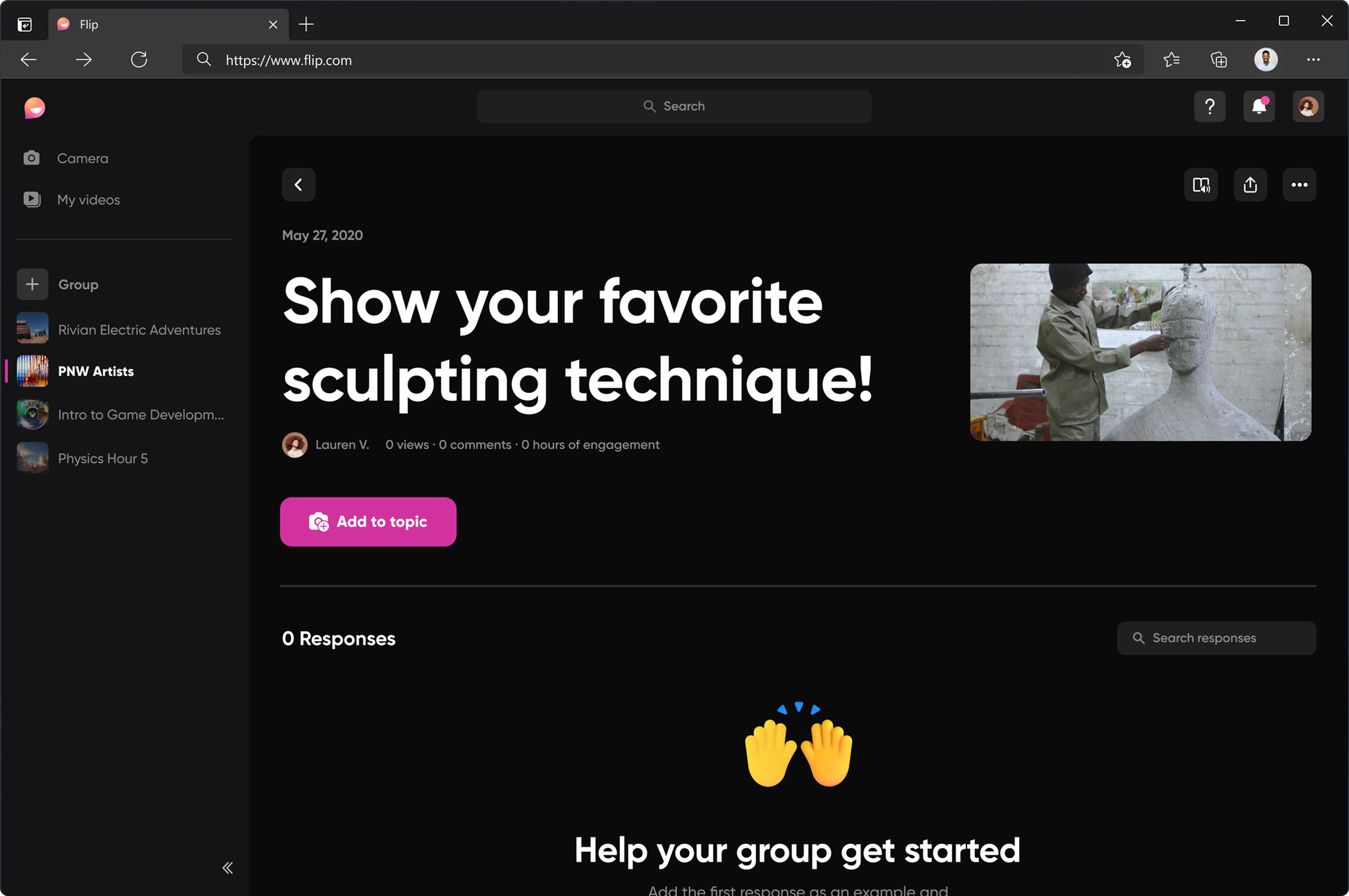
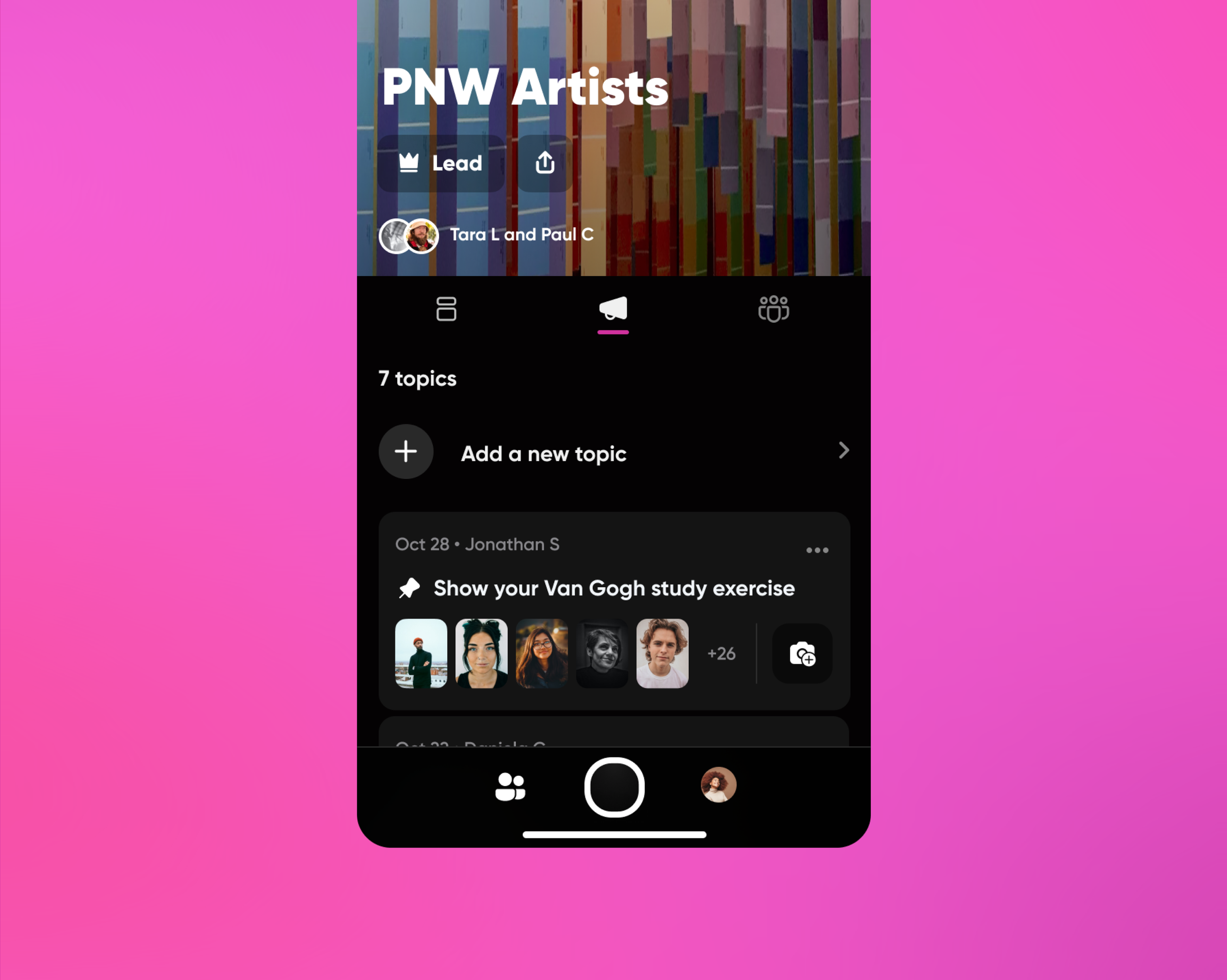
Asynchronous video responses to teacher prompts
Low-friction camera & recording flows across devices
Creative expression tools (effects, stickers, frames)
Accessibility-forward features (captions, pace control)
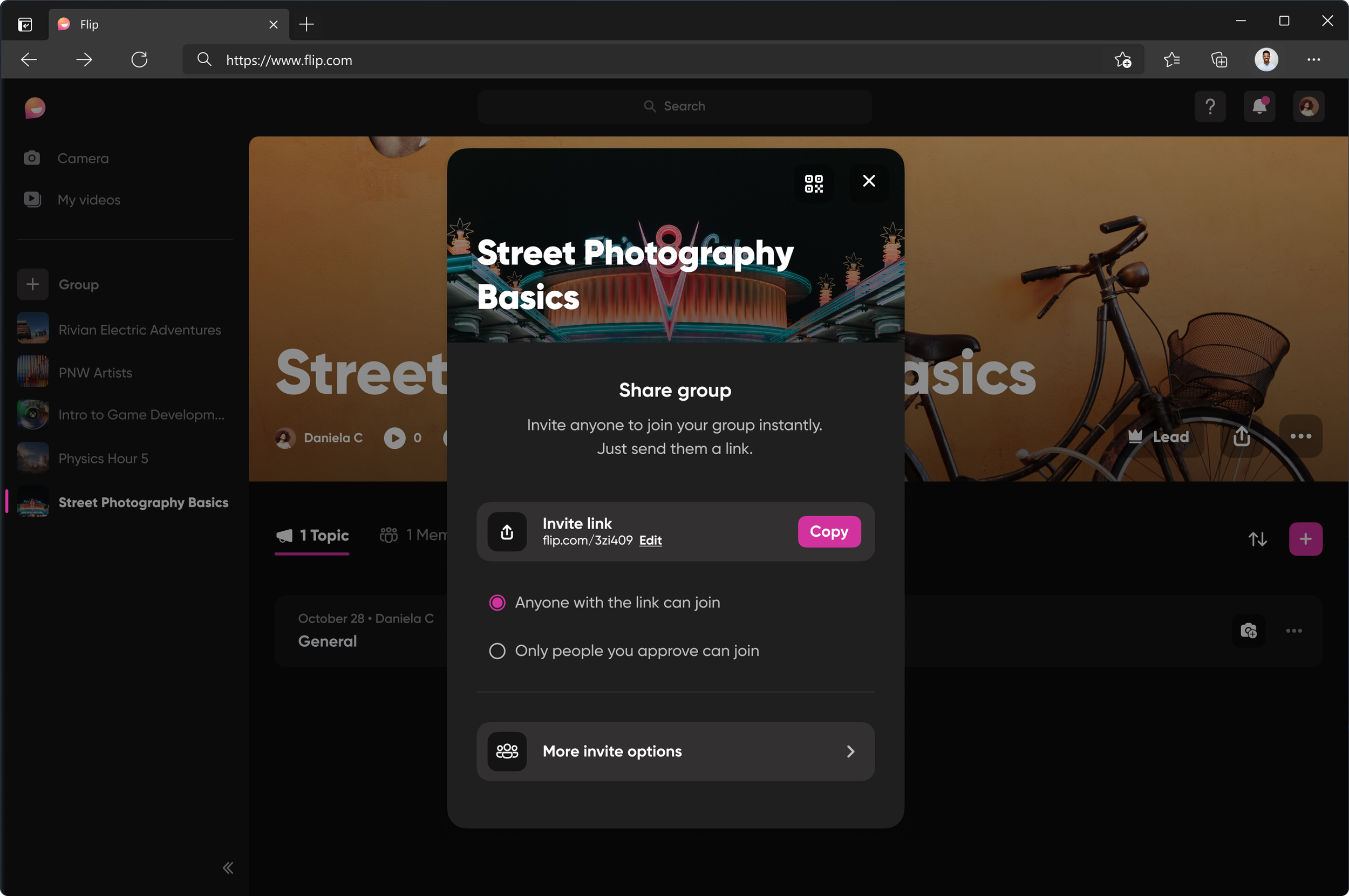
Teacher moderation & privacy control
-
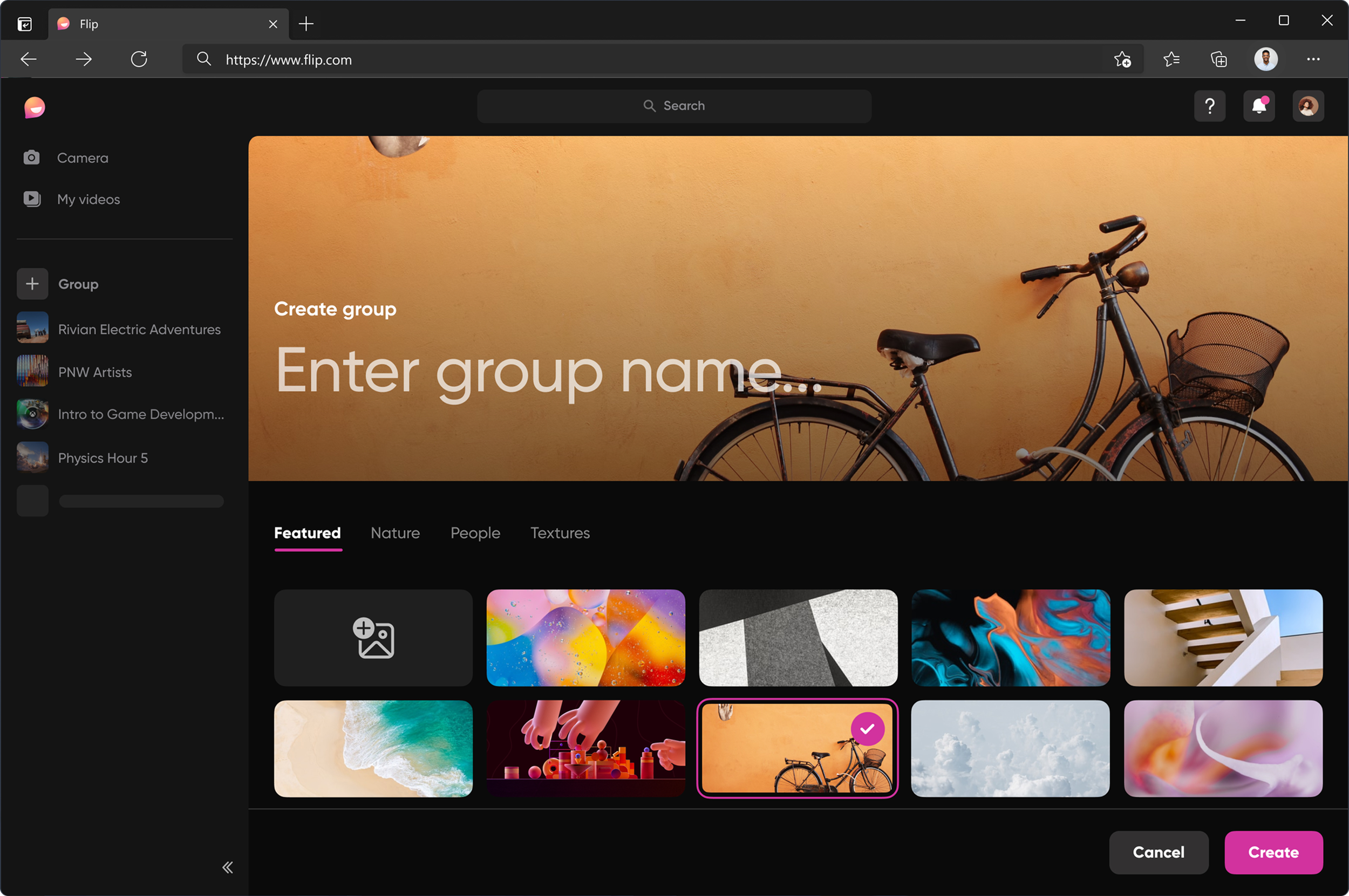
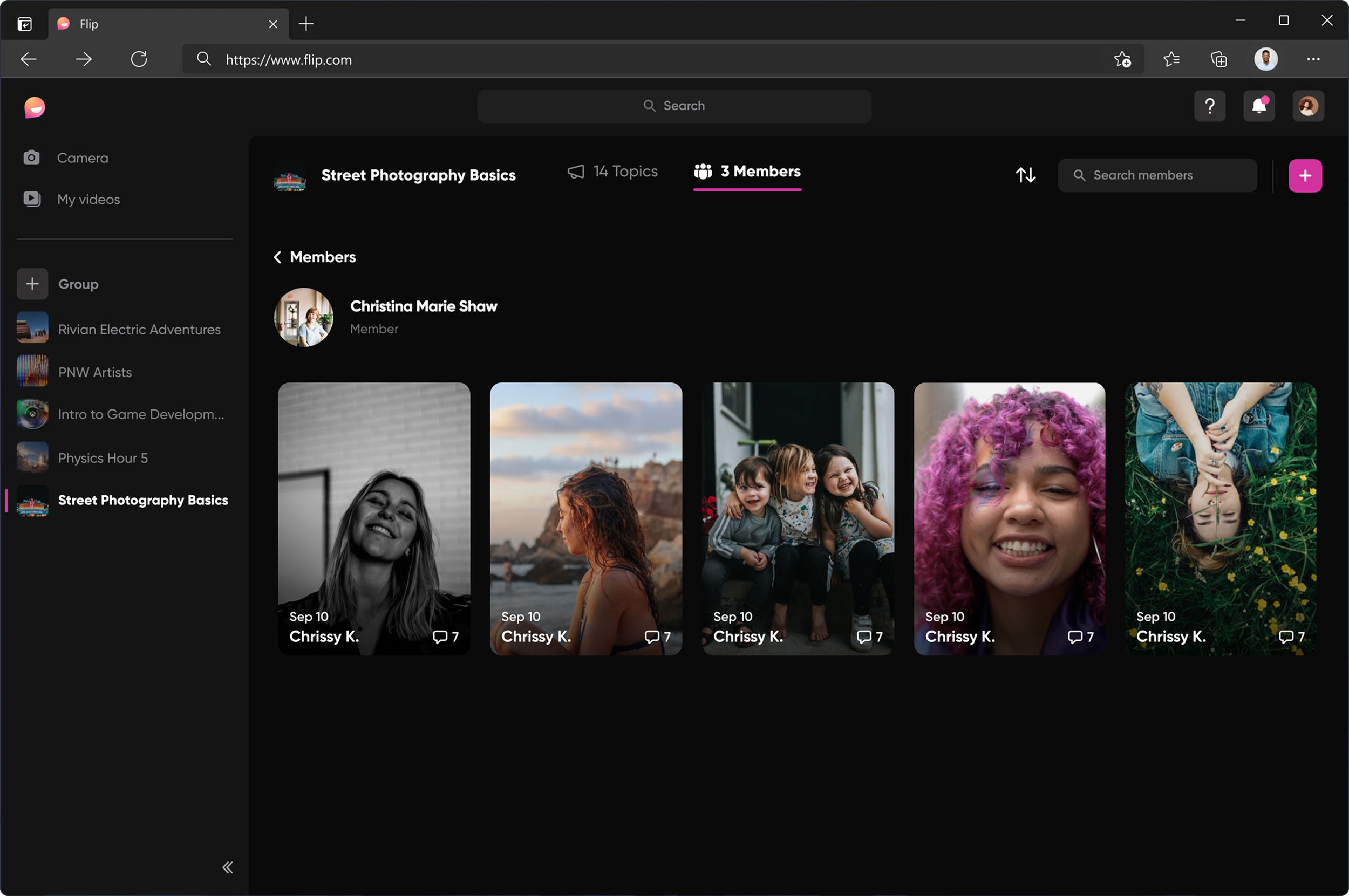
Students record short video responses on their own time, in their own voice
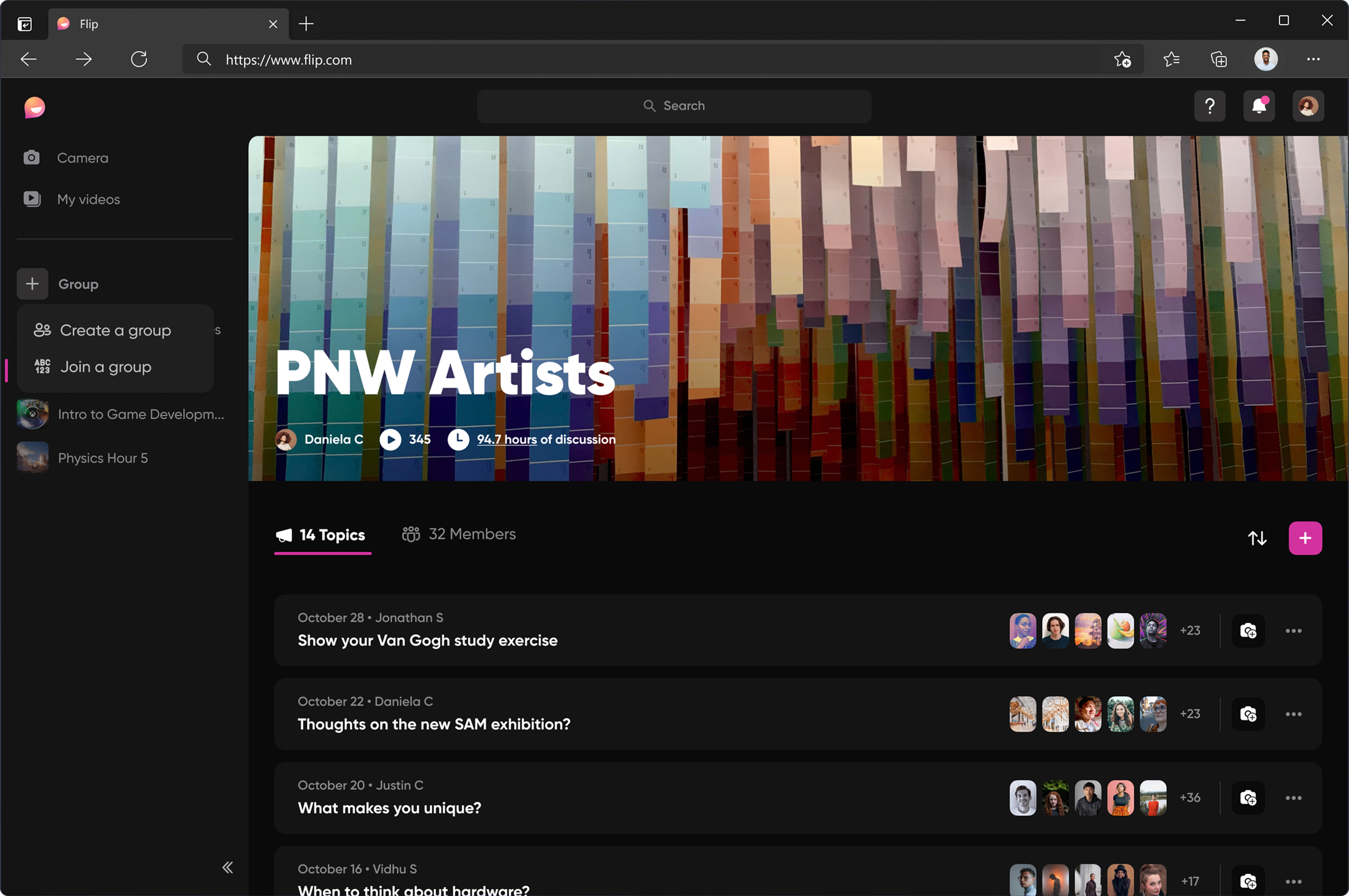
Peers view and reply, creating visible, asynchronous dialogue
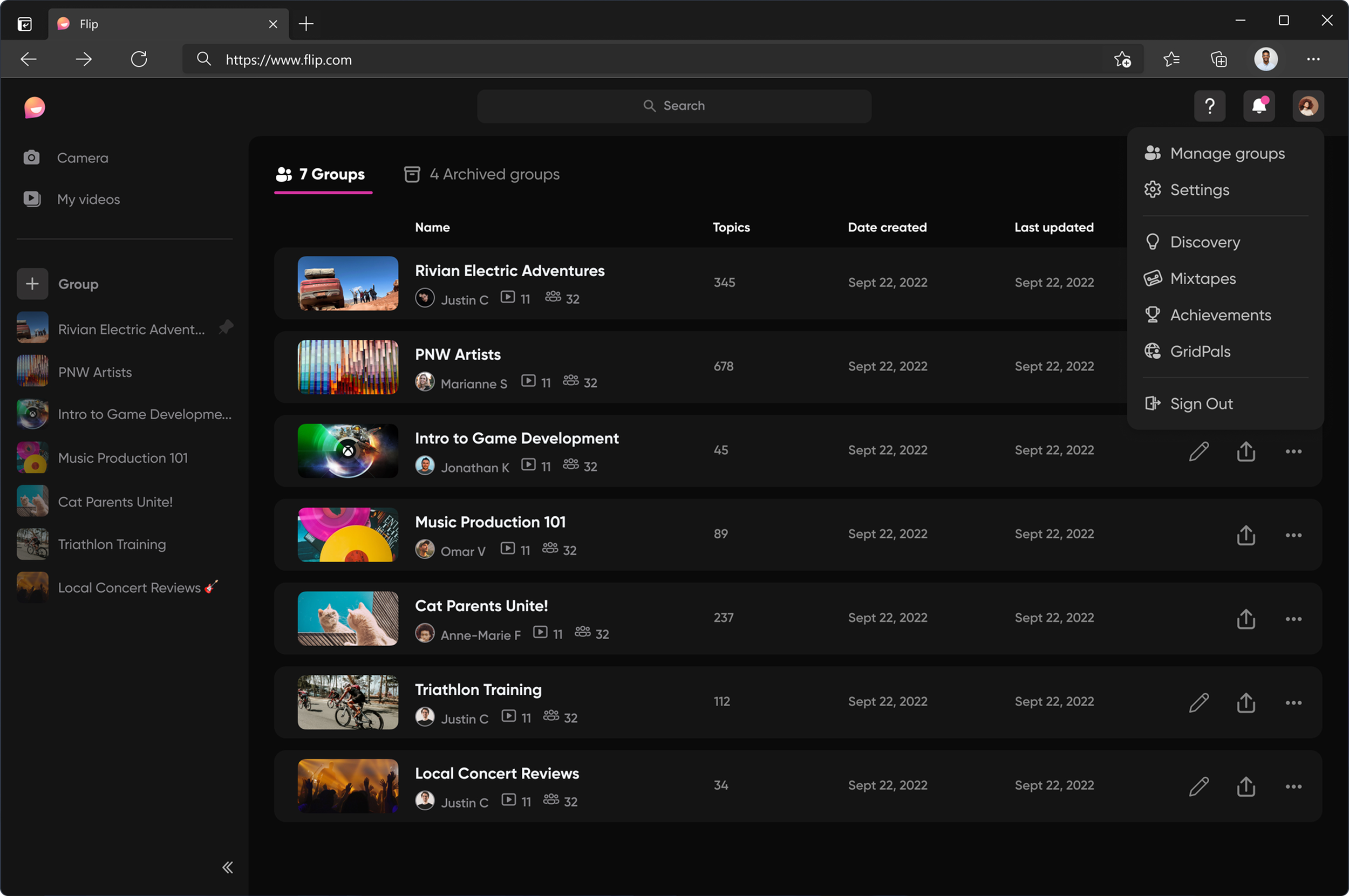
Grid layout surfaces participation without ranking or performance pressure
Playful effects reduce self-consciousness and encourage expression
Accessibility features support pacing, clarity, and inclusive engagement
Educators benefit from lightweight setup, intuitive moderation, and richer insight through seeing
-
Prioritized psychological safety with asynchronous, non-ranked participation.
Built educator-controlled privacy and moderation safeguards.
Embedded accessibility (captions, flexible pacing) as foundational.
Avoided algorithmic ranking or engagement scoring to reduce bias and comparison.
My role and key decisions
As a product design contributor, I shaped core video creation and sharing flows so recording felt safe, fast, and forgiving. I helped define accessibility behaviors to reduce cognitive load, and contributed to dark mode and design tokens for consistency. I partnered closely with educators to balance creativity with classroom trust and appropriateness.
Impact and outcomes
Flip enabled students to respond in their own time and voice, creating visible, asynchronous dialogue without ranking or performance pressure. Playful effects provided options for self-conscious individuals, while accessibility features supported inclusive engagement. For educators, a light-weight setup and intuitive moderation led to richer insight through seeing and understanding students.